Two weeks ago, the standard advice to anyone with a connected fridge controller was to change the passwords and install the latest update. For one widely used controller, researchers now say that is not enough. A Dutch security firm has found six new flaws in the Danfoss AK-SM800A that need no login at all, there is no fix yet, and the newest software does not close them.
This piece sets out what has been found, what Danfoss has and has not said, and what a UK food business should ask this week. It follows our earlier articles on what UK food businesses should check and on France blaming Iran for the October attack.
What the researchers found
The findings come from Midnight Blue, a security consultancy based in the Netherlands. Its researcher Carlo Meijer examined the software for the AK-SM800A, a controller used to manage supermarket refrigeration, and the firm says he found six serious flaws "in less than an hour".
According to Midnight Blue:
- every software version up to and including 5.3.2 is affected
- an attacker needs no username or password to use the flaws
- the possible results are full takeover of the controller, access that may survive a reset, and a controller left permanently unusable
- one of the flaws sits in the security feature that was meant to block outsiders, which Danfoss calls strict session control
The firm is withholding the technical detail while it works through a disclosure process with Danfoss, and the flaws do not yet have official reference numbers.
Belgium's national cyber security centre has responded. It advises removing these controllers from direct exposure to the public internet as an immediate priority, and says that updating the software, changing default passwords and enabling strict session control are not enough on their own, Cooling Post reported on 12 November. The Hacker News reports that agencies in Ireland and Germany have also issued notices to operators.
What Danfoss has and has not said
Danfoss released version 5.4.0 of the controller software in the last few days. Midnight Blue has since said that this version does not fix the flaws it reported, according to Cooling Post, and that by its reading of the file's date the software was built on 29 October, before its reports were made.
When we checked on 16 November, the Danfoss security advisories page listed no advisory for these six flaws. That is not unusual while a disclosure process is still running. Danfoss's own security guidance already tells installers to "ensure that the device is always protected from direct internet exposure", which is the same direction the researchers and the Belgian authority point in.
Two limits are worth stating. We have seen no report that these six flaws have been used in an attack. And we found no notice about them in the UK National Cyber Security Centre's news feed as of 16 November.
Why "we updated it" is no longer the answer
After the first wave, many businesses were told their controllers were safe because the software was up to date and the passwords had been changed. For this model, the researchers say that is a false comfort. Midnight Blue told Cooling Post it "would strongly advise against piecemeal patching", because it expects more flaws of the same kind in parts of the software nobody has examined yet.
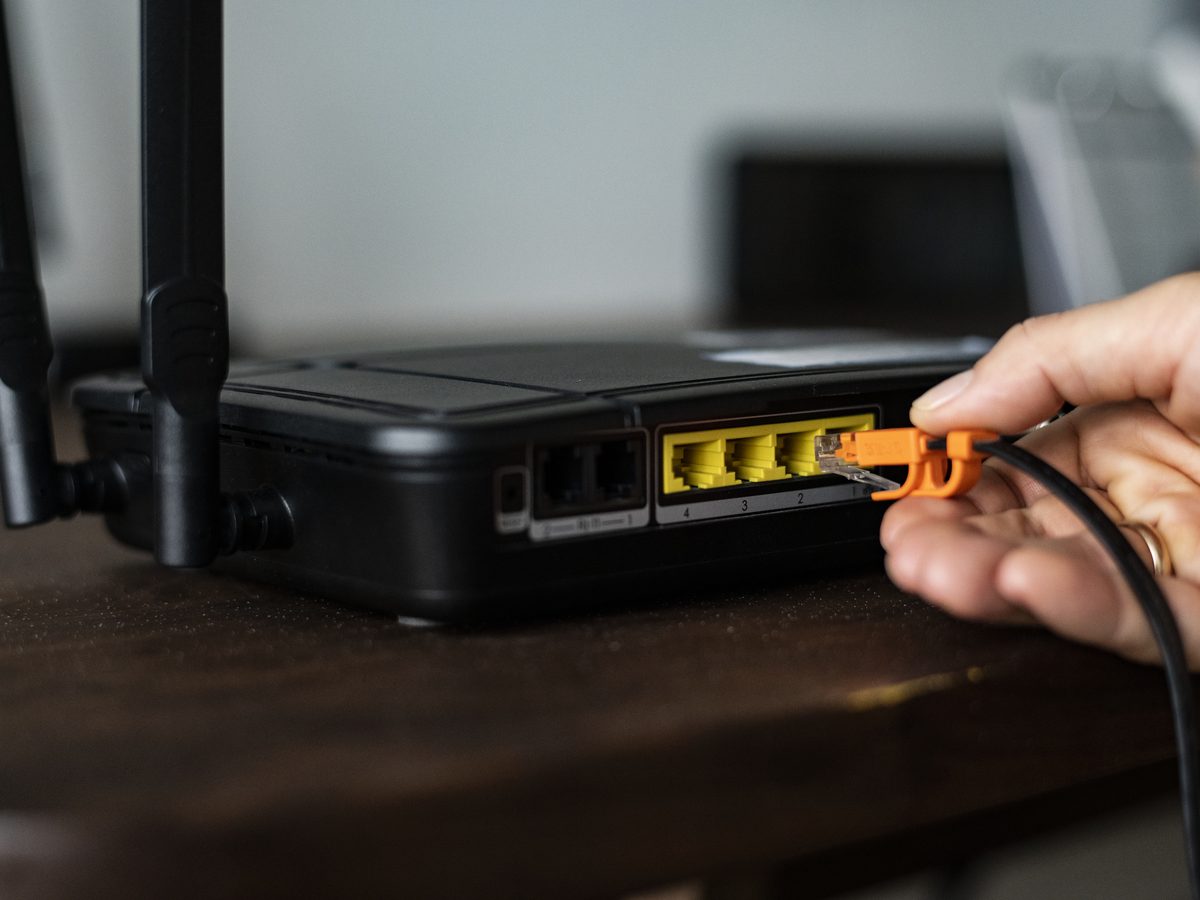
In our reading, the question for a food business has changed. It is no longer "is our controller updated?" It is "can anyone on the internet reach our controller at all?" If the answer is yes, an update does not make it safe. If the answer is no, these flaws are much harder to use against you.
This is not only about one maker. Midnight Blue says an internet search service still showed hundreds of Danfoss systems and more than a thousand Copeland and Dixell fridge controllers exposed online on 10 November, and it recommends the same approach for all of them.
If a controller may already have been reached
The usual clean-up after an attack is to reset the controller, change the passwords and update it. The researchers warn that with flaws of this kind, an attacker could leave something behind that survives a reset or an update, and that telling whether this has happened is difficult without specialist examination.
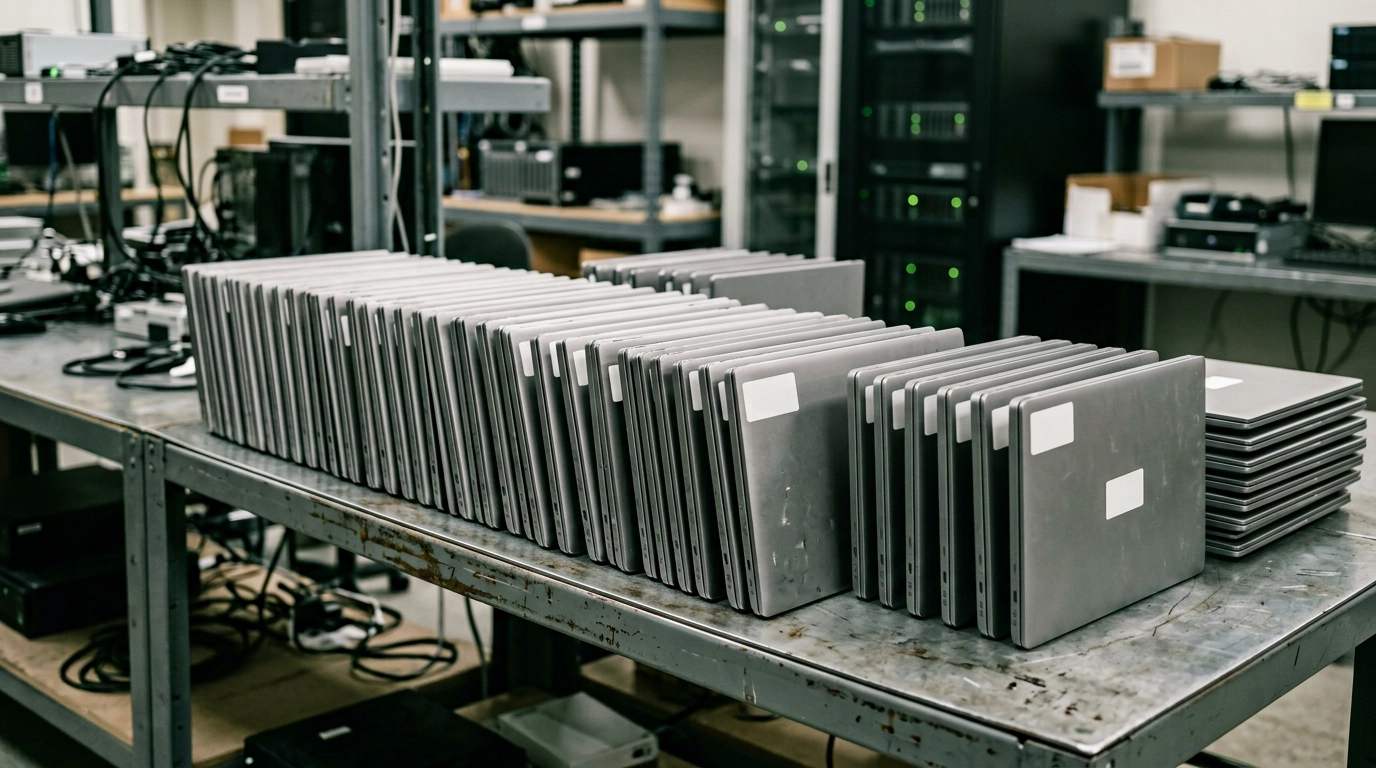
In our reading, that makes replacement a serious option for any controller you believe an outsider got into, rather than a last resort. US agencies have already advised operators to replace legacy devices, Cooling Post reported on 6 November. A controller that comes out should not go in a skip or a parts bin: it holds the settings, network details and logins for your site, and it should be retired with a record of what was done to it.
Five things to ask this week
- Which controllers do we have? Ask your refrigeration contractor for the make, model and software version at every site.
- Can any of them be reached from the internet? Ask whoever set up remote monitoring for a clear yes or no, in writing.
- If yes, when will that be closed? Remote access is often needed for maintenance and alarms, so agree the change with your contractor rather than switching things off yourself.
- Has anything changed that nobody on site changed? Unexplained settings or defrost cycles are worth reporting, even if no food was lost.
- What is our plan for old controllers? Decide now which units are due for replacement, and how the old ones will be retired.
A warm fridge is still most often an ordinary fault, and getting it running again is your refrigeration engineer's job. Check your insurance terms before changing how your contractor connects.
For disclosure, Nanosoft provides refrigeration controller security checks and secure retirement of old controllers, so weigh the above accordingly. Every fact here can be checked against the sources linked in the text, as they stood on 16 November 2026.
The honest summary
Researchers have found six flaws in a common Danfoss fridge controller that need no login, and the latest software does not fix them. Updating and changing passwords is still worth doing, but it is not the finish line. The finish line is a controller that strangers on the internet cannot reach, and a plan for the ones that are too old or too exposed to keep.
Nanosoft Team
Writer at Nanosoft - covering ITAD, data security, and sustainable technology lifecycle management.
Found this useful? Share it.