
Hackers switched Europe's supermarket fridges to defrost. We lock yours down.
Our engineers check your fridge and freezer controllers, find any way in from outside and lock it down. If an attack is under way, we help you contain it. When old controllers are replaced, we retire them with a certificate for each one. We handle the security; your refrigeration engineer looks after the fridges.
Across the whole UK, with teams able to travel to Europe. Book early: visits are scheduled in order of booking.
About 700
French supermarkets hit, 11 to 12 October
100+
stores hit in a second wave, 2 November
50°C
the setting found on some fridges and freezers
None
claims of responsibility so far
Figures as reported by SecurityWeek, 3 November 2026.
Think someone has got into your fridge controls?
Call your refrigeration engineer to get the fridges working, and call us to deal with the break-in. We handle the security side; fridge faults stay with your refrigeration engineer.
Quick answer
Why do fridge controllers need protecting from cyber attacks?
Many commercial fridges and freezers are run by a controller that can be managed remotely. In October and November 2026, attackers got into controllers that could be reached from the internet and forced fridges and freezers into defrost. Checking how your controllers are connected, and locking them down, closes that way in.
Not sure? We will check
You do not need to know how your fridges are connected
You may never have seen how your refrigeration is wired up, and that is fine. Book a check and our engineer does the looking for you.
- 1
You book a visit
Tell us how many sites and fridges you have, and who looks after your refrigeration.
- 2
Our engineer checks
They look at your controllers and how they are connected, without touching your temperatures.
- 3
We tell you what we found
A plain-English answer: safe, or at risk, and why. No jargon.
- 4
We fix anything we find
With your agreement, we set it up properly and make it secure, then leave you a written record.
What happened
Two waves in three weeks, and nobody broke a window
No one forced a door or cut a cable. The attackers got into the controllers that run the fridges over the internet and changed the settings overnight. By morning, stock had to be thrown away.

Not only the big chains
In the Netherlands, Danfoss said at least 17 businesses were hit, mainly butcher shops and small grocers. In Belgium, five franchised Spar shops were among those attacked.
11 to 12 October
France, overnight
Refrigeration units at around 700 French supermarkets, including Intermarché, Carrefour, Coopérative U and Monoprix stores, are forced into defrost mode. Food is spoiled, and the attacks reportedly cause fires.
12 October
The national alert
France's national cyber security team, CERT-FR, issues an alert about numerous compromises of remote refrigeration controllers from Danfoss, Copeland and Dixell.
13 October
The maker's warning
Danfoss warns its customers to act. It later says most stores did, "but a small number did not".
20 to 30 October
Someone tries the doors
Security firm Lupovis sees a burst of login attempts against its Danfoss controller sensors, peaking on 26 October. None get in.
2 November
The second wave
More than 100 stores in Belgium, Estonia, Ireland, Luxembourg, the Netherlands and Sweden see fridges heat up overnight, with problems also reported in Finland, Italy and Portugal.
Sources: CERT-FR alert CERTFR-2026-ALE-012 (in French) and SecurityWeek, 3 November 2026.
The solution
Close the door the attackers walked through
The controllers that were hit could be reached from the internet by anyone who found them. The fix starts by putting a locked door in front of yours.
Anyone on the internet
A way in, left open
Fridge settings can be changed by a stranger
Outsiders: kept out
A locked door: only the right people get through
Access secured on every controller
Fridge settings stay where your engineer left them
One visit is not the end. A one-time fix solves the problems found on the day. Attackers change their methods, so lasting protection needs regular checks. See staying protected below.
Full service
From the first visit to the last old controller
Take the emergency lockdown on its own, or the full programme. Every stage ends with a written record.
Emergency lockdown
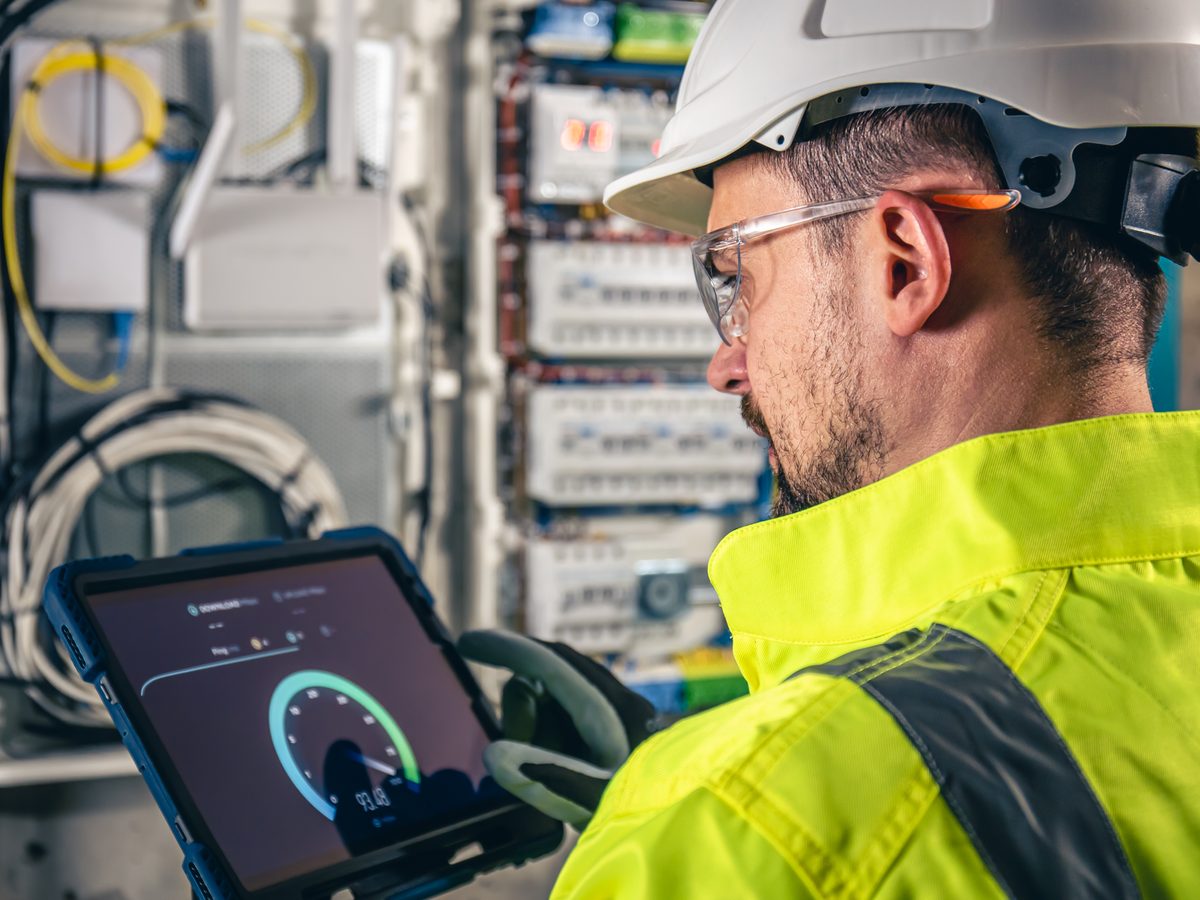
An engineer visits, finds any way into your controllers from outside and locks it down, so only the right people can reach them.
- Ways in found and closed
- Access locked down
- Only the right people get through
- Written record of the visit

Controller check
We list every controller across your sites and tell you which ones are at risk and which should be replaced.
- Every controller listed by site
- Risk rating for each unit
- Units to replace flagged
- Plain-English report
Lasting protection
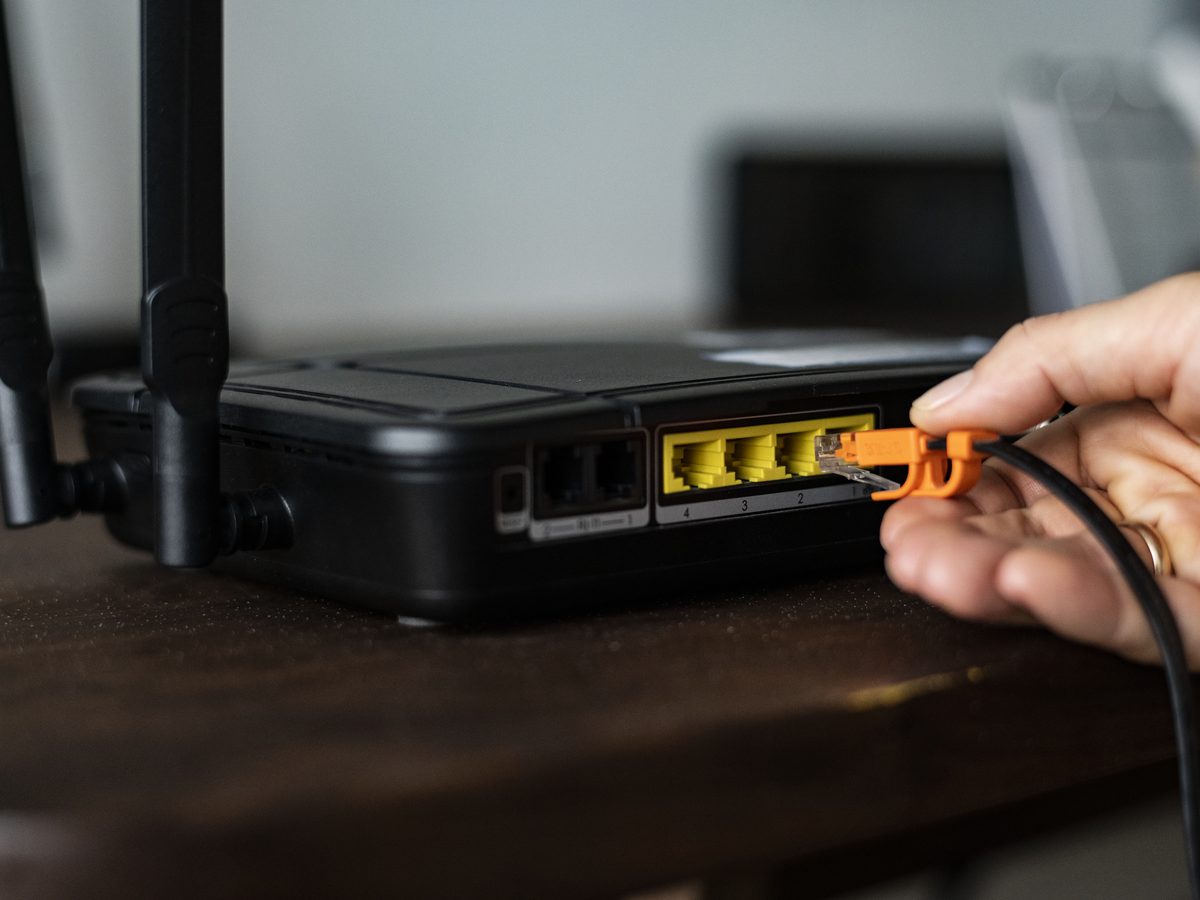
We put a lasting set-up in place with you and your refrigeration contractor, keep equipment up to date where the maker allows, and hand over a written record.
- Plan agreed with your contractor
- Lasting set-up in place
- Kept up to date where possible
- Written record per site
Retire old units safely
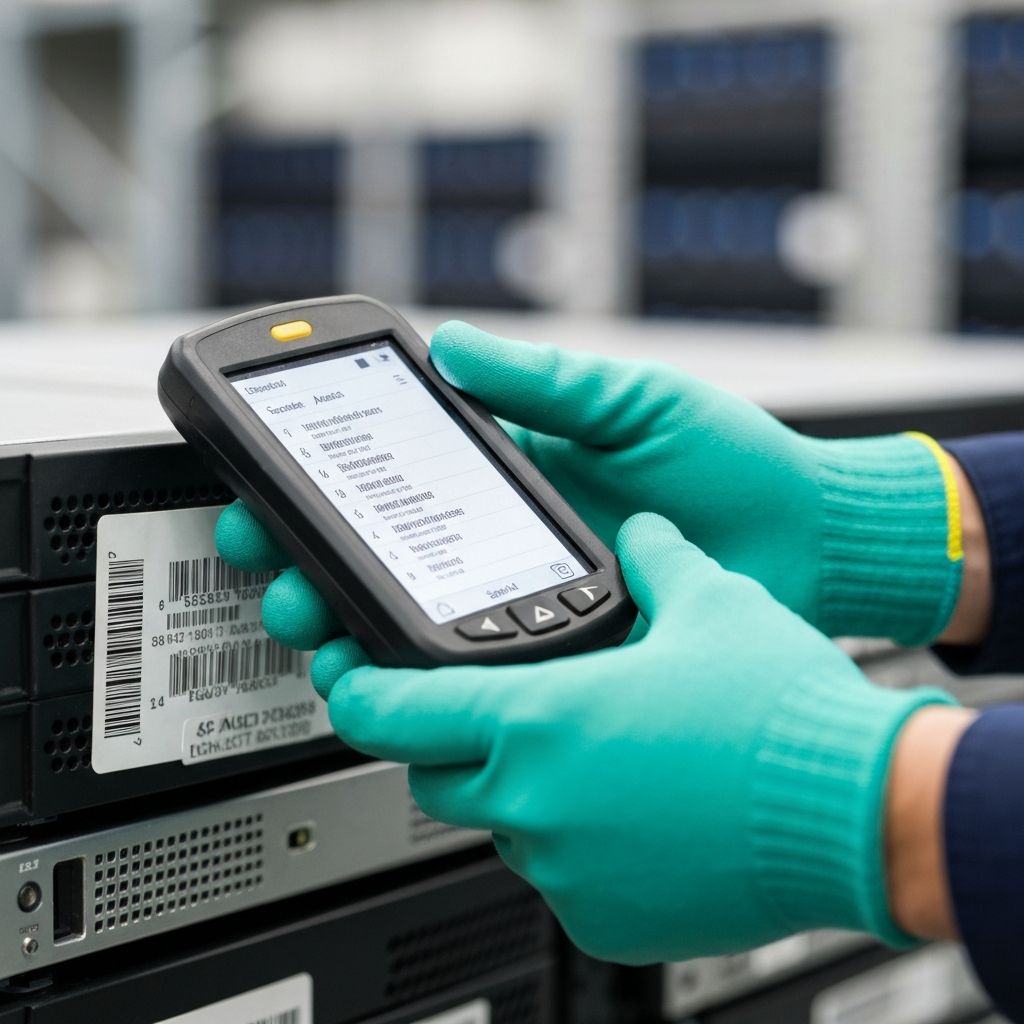
An old controller still holds your settings, passwords and network details. When it is replaced, we collect it, destroy that data and certify each unit.
- Collection from each site
- Data wiped or destroyed
- Certificate per serial number
- Recycled through our electrical waste route
What you receive
Site change record
What was changed at each site, when, and by whom
Controller list
Every unit with model, location and support status
Replacement plan
Which units to replace first, and why
Retirement certificates
One per serial number for every old unit we take away
Staying protected
A one-time fix solves a one-time problem
We close the gaps we find on the day. But attackers change their methods, and a new method can find a new way in. Staying protected means looking at your wider network, putting regular protection in place and keeping good security practice going, not a single visit.
Ask about ongoing protectionRegular checks
Scheduled visits to confirm nothing has changed and nothing new has opened up.
A wider network review
We look beyond the fridges at how the rest of your site is connected.
Ongoing protection
Protection kept current as attackers change their methods.
Help when it happens
A number to call if something goes wrong, and a team that already knows your sites.
Our terms, in plain English
A one-time visit fixes the issues we find on that day. It cannot protect against methods attackers develop later. If attackers start using different techniques, we will need to investigate your network again and put further measures in place. Lasting protection depends on regular checks and good security practice being kept up, which we offer as a separate ongoing service. See also legal and terms.
Who it is for
Owners, sellers and larger estates
Businesses with fridges and freezers
Independent and franchise shops, butchers, food producers, cold stores, restaurants, pubs, pharmacies and care homes. In the Netherlands, the businesses hit were mainly butcher shops and small grocers.
Fridge sellers and installers
Sold or installed refrigeration and now fielding complaints from customers? We secure your customers' controllers on your behalf, or partner with you to cover your whole customer base, so you can give them an answer.
Larger estates and infrastructure
Multi-site groups, distribution centres and plant rooms with chillers and building controls, anywhere in the UK, with teams able to travel to European sites. The same four stages, run as one programme with one set of records.
Retiring data centre plant as well? See data centre decommissioning.
Why Nanosoft
The fix and the clean-up, from one team
Locking a controller down is the urgent part. Getting rid of the old ones without leaving your passwords and network details behind is the part that is easy to forget.
Engineers already doing this
Our engineers already secure refrigeration controllers for businesses. This page puts a name to work we do today, now offered across the UK.
ISO 27001 certified
Our information security management is certified to ISO/IEC 27001:2022 under UKAS accreditation, alongside ISO 9001, ISO 14001 and ISO 45001.
Start to finish, one team
The fix is only half the job. We also retire the old controllers, with chain of custody and a certificate for each unit, because that is our core business.
We work with your contractor
Your refrigeration engineer stays in charge of the refrigeration. We agree every network change with them first, so alarms and monitoring keep working.
Records you can show
A written record of what was changed at each site, a controller list, and certificates for retired units. Useful for insurers, auditors and head office.
Help when it is happening
If someone has got into your controls, we contain the break-in and restore safe access while your refrigeration engineer gets the fridges running again.
See our certifications and secure data destruction service.
Clear scope
What we do, and what we do not
We do
- Check your controllers and find any way in from outside
- Lock down access so only the right people get in
- List every controller and the risk it carries
- Respond to attacks in progress and restore safe access
- Regular checks to keep you protected over time
- Collect, wipe or destroy and certify old controllers
We do not
- Repair fridges, freezers or refrigeration faults. That is your refrigeration engineer's job; we deal with the security side only.
- Set temperatures or defrost cycles. Your refrigeration engineer sets those; we make sure only the right people can reach the controller.
- Recover refrigerant or remove whole fridges. That needs F-gas certified engineers and a specialist treatment facility.
Legal and terms
How we protect you, and ourselves
Security work on someone else's equipment has to be done properly. These are the ground rules for every job.
Only with your written permission
We only check or change equipment you own or are authorised to manage, and only after you have given us written permission. Accessing a computer system without permission is a criminal offence under the Computer Misuse Act 1990, so we never test or access anyone else's systems.
Agreed in writing first
Before any work, we confirm in writing what we will check, what we may change, who has authorised it and what it costs. Nothing is changed without your agreement, and your refrigeration contractor is consulted where they manage access.
No promise against every attack
No security measure can guarantee that an attack will never succeed. We reduce the risk and fix what we find; we do not promise that your systems cannot be attacked in future.
Your fridges stay your responsibility
Refrigeration, temperature monitoring, food safety and stock remain the responsibility of you and your refrigeration engineer. Our work covers the security of the controls only.
Your details stay confidential
Site, network and access details are handled under our ISO/IEC 27001-certified information security management and our privacy policy, and shared only with people you authorise. We never publish login details.
Independent of the manufacturers
Danfoss, Copeland and Dixell are trade marks of their respective owners. Naming a manufacturer on this page does not mean it endorses, or is connected with, our service.
Information about the attacks is taken from the published sources linked on this page, as checked on 7 November 2026, and may change. Nothing on this page is legal or insurance advice. Full terms, including what we are and are not liable for, are set out in your written agreement with us before work starts. See our privacy policy.
Questions
Common questions
Find out if your controllers are open to the internet.
Tell us how many sites and controllers you have, and who looks after your refrigeration. We will arrange a check and agree any changes with you and your contractor first.