
Law Firm IT Disposal: Privilege Protected to Destruction
Retired fee-earner laptops, document management servers and networked copiers hold privileged client material, and under SRA guidance responsibility for confidentiality stays with the firm when disposal is outsourced. We keep the chain short: one named team, no subcontracted handovers, witnessed destruction where privilege demands it, and documentation built for Lexcel files and partner scrutiny.
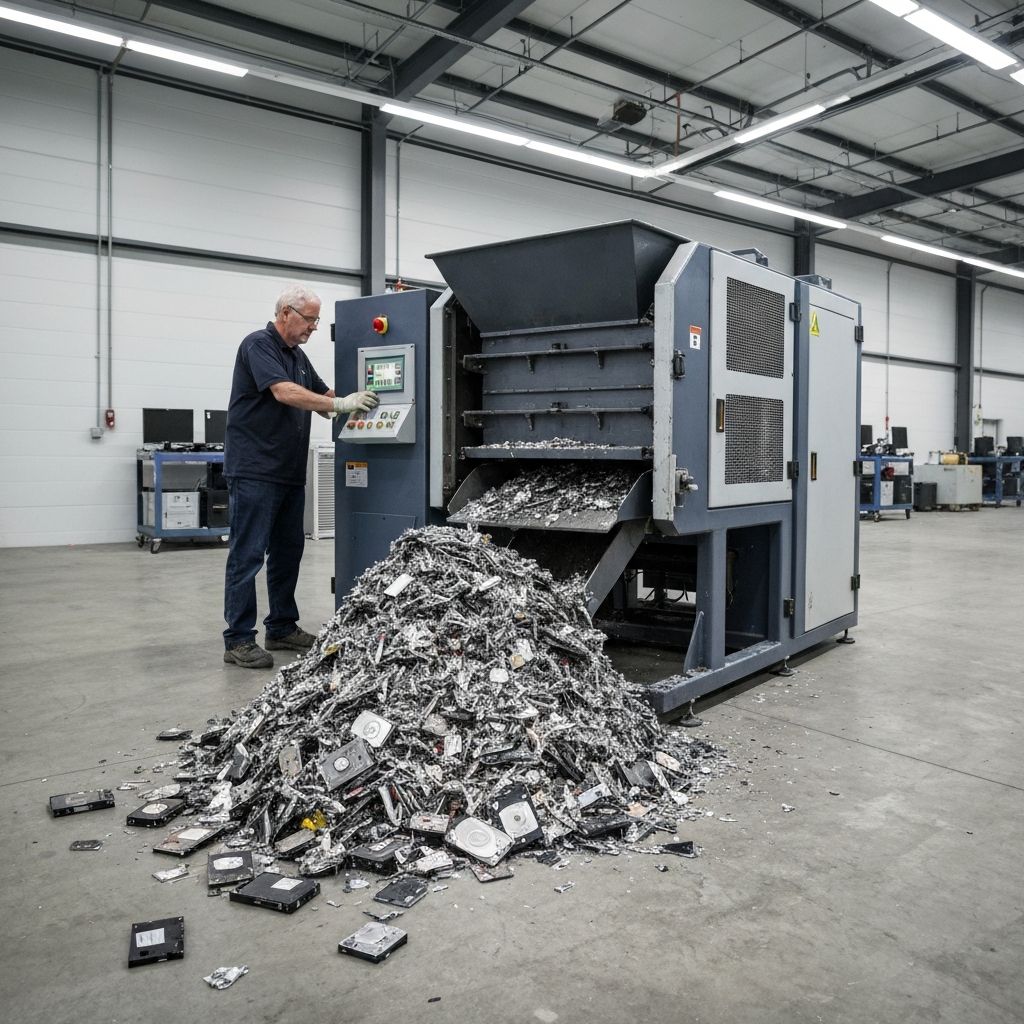
Who provides IT asset disposal for law firms and chambers?
Nanosoft disposes of IT equipment for solicitors, chambers and in-house legal teams with witnessed onsite destruction, per-serial certificates and serialised chain of custody, handled end to end by one accountable team with no subcontracted handovers. Privileged material can be destroyed before it leaves your building, and the audit pack is structured for Lexcel evidence and SRA scrutiny.
What the rules require, and how we evidence it
The regimes below are the ones your auditors and regulators actually cite. For each, here is what it requires of your organisation and the evidence we put in your hands.
SRA Codes of Conduct, paragraph 6.3
Solicitors and firms must keep the affairs of current and former clients confidential unless disclosure is required or permitted by law or the client consents. SRA guidance confirms that firms remain responsible for confidentiality when services are outsourced: the disposal contractor acts, but the firm answers.
How we evidence it
A single accountable team with no subcontracted handovers, serialised custody from your office to verified destruction, and evidence your COLP can rely on to show confidentiality was maintained to the end of the device lifecycle.
Lexcel v6.1
The Law Society practice management standard requires an information management and security policy, recommends Cyber Essentials, and at section 5.2 requires firms to manage the risks presented by outsourced providers, disposal contractors included.
How we evidence it
Engagement documentation, custody records and per-serial certificates structured to slot into your Lexcel evidence for information security and outsourced services, ready for assessment without reassembly.
Legal professional privilege
Privilege attaches to the material, not the medium. Advice and litigation material on a retired device remains privileged, and exposure through careless disposal is a breach that no application to the court can fully repair.
How we evidence it
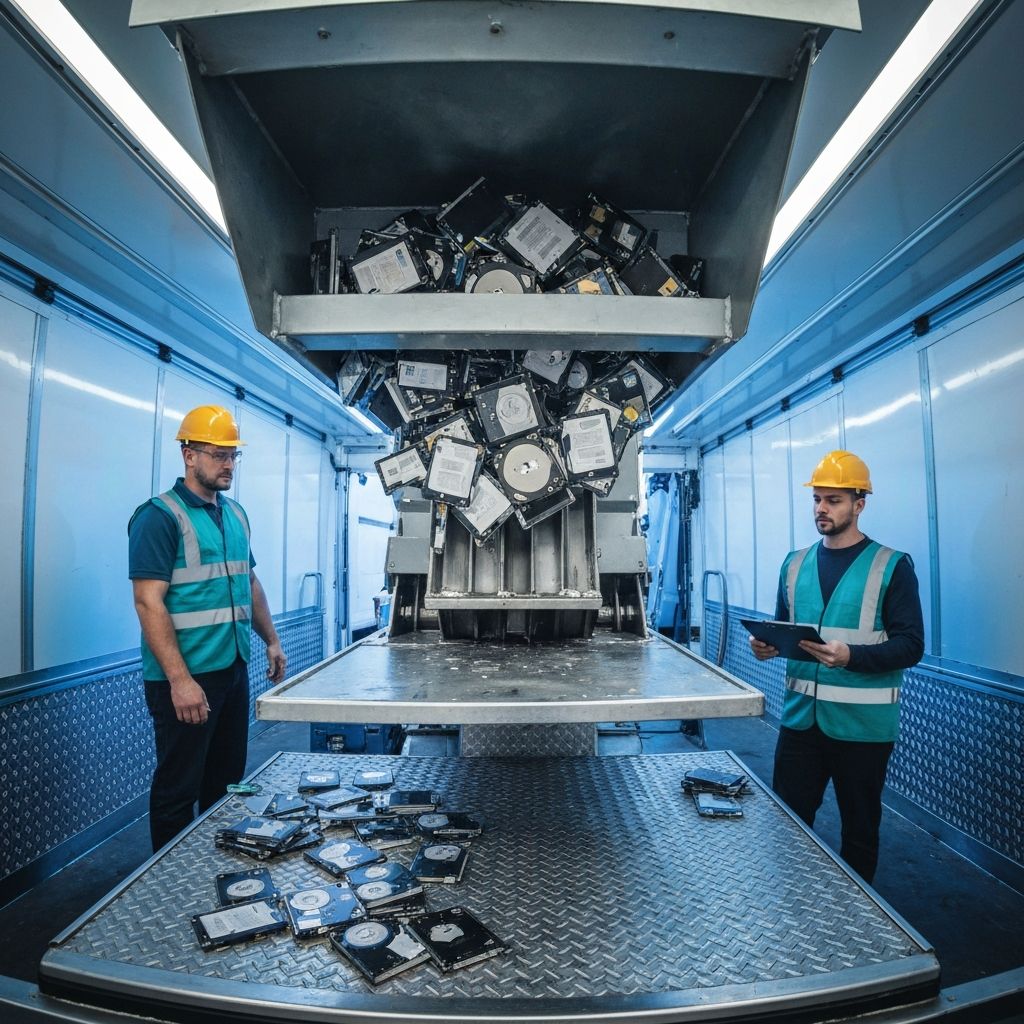
Witnessed destruction options, including onsite shredding at your offices, so privileged material never leaves the building intact, with per-serial certificates issued before our crew departs.
Deliverables on every legal engagement
- Witnessed onsite destruction at your offices, with certificates issued on the spot
- Per-serial certificates of data destruction for every data-bearing asset
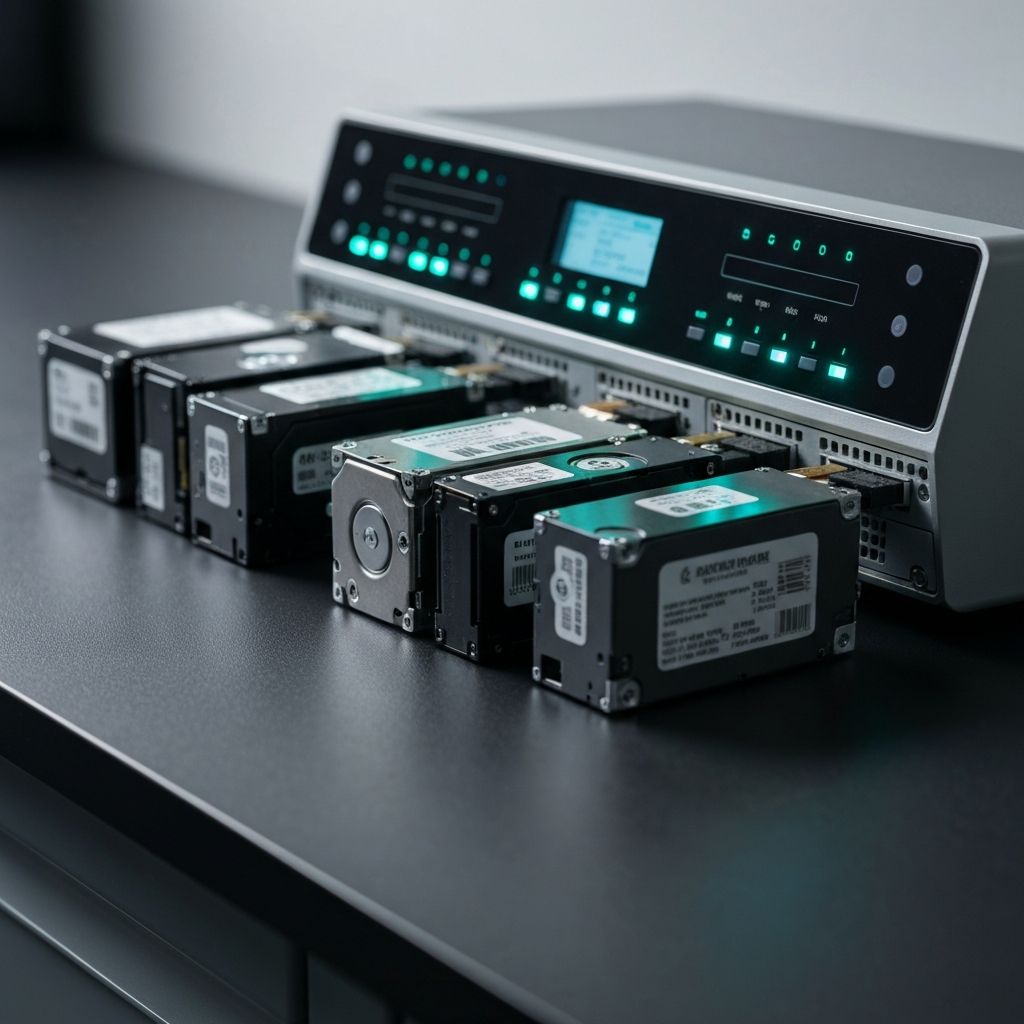
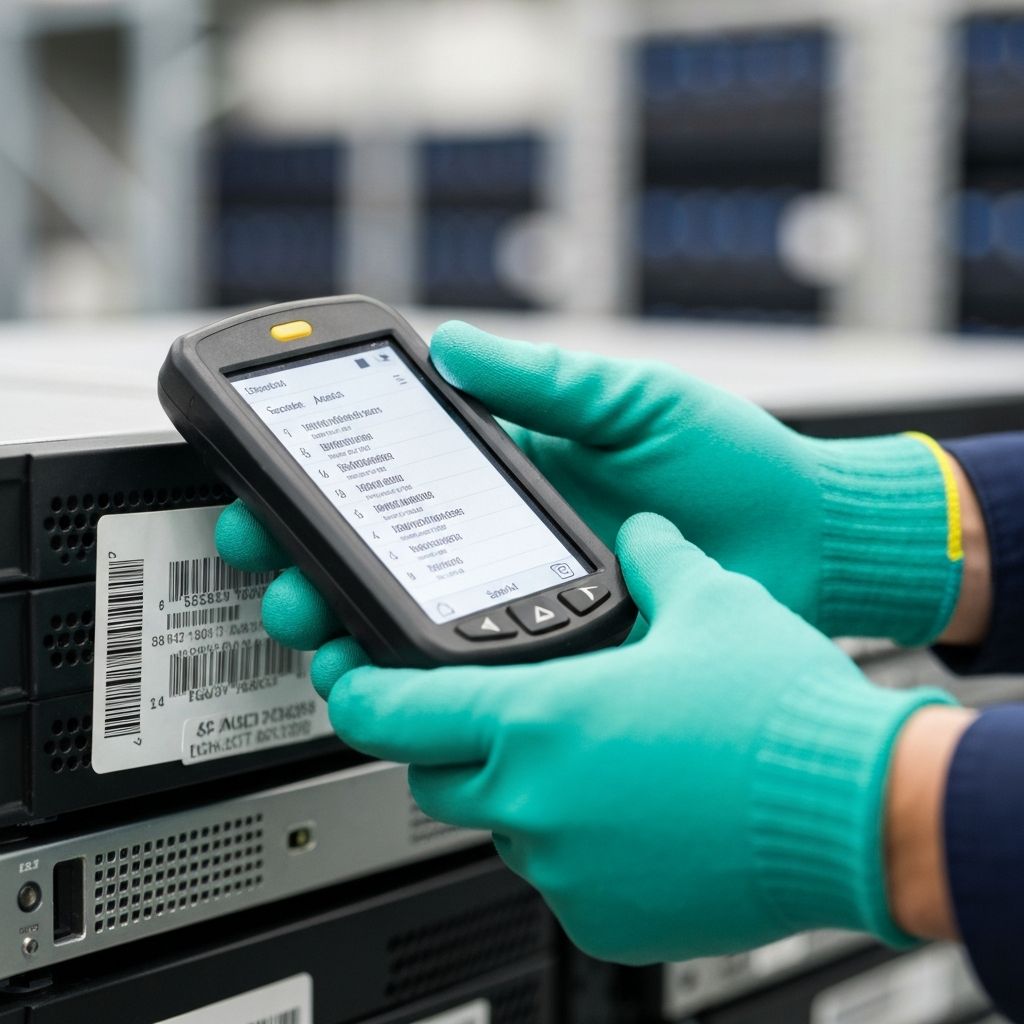
- Chain of custody with numbered tamper-evident seals and GPS-tracked transit
- Conflict-sensitive handling under a single named project manager
- A consolidated audit pack delivered within 10 working days

What goes wrong without evidence
Privileged material on unaccounted drives
Document management servers, fee-earner laptops and copier hard drives hold privileged material long after matters close. A single unaccounted drive is a confidentiality breach in waiting, and it is the firm, not its disposal contractor, that answers to clients and the SRA.
Subcontractor custody breaks
Many disposal firms pass collections to couriers and third-party processors the moment they leave your building. Every handover is a gap in the custody record, and a firm that cannot say who held its media at each step cannot demonstrate the confidentiality the SRA Codes require.
Uncertified disposal surfacing in audits and tenders
Lexcel assessments, client due diligence questionnaires and panel tenders increasingly ask how retired IT was disposed of. A gap in the evidence, or a batch certificate that names no serials, surfaces at exactly the moment the firm is trying to win or keep work.
Frequently asked by legal clients
Ready to dispose of Legal IT equipment with the evidence built in?
Same-day quote, no obligation. Tell us what you have and where it is, and we confirm a collection slot and a fixed price the same day.