AMD launched Helios in July. NVIDIA's Vera Rubin racks go to volume production in the second half of this year. Intel expects Crescent Island by year end. Every one of those installations displaces something, and the thing being displaced is not a machine your decommissioning process was written for.
The industry has spent two years talking about how to get AI hardware into buildings. Almost nobody has written down how it comes out. That matters more than it sounds, because on current refresh cycles the first wave is coming out sooner than the people who installed it expect.
What is actually arriving
AMD's Helios rack, announced at Advancing AI on 23 July, holds 72 Instinct MI455X accelerators across 18 compute trays, with six switch trays and 6th Gen EPYC "Venice" processors. AMD puts 432GB of HBM4 on each GPU, 31TB across the rack, and claims 2.9 exaflops of AI compute from the unit. Mass deployment is expected in the second half of 2026.
NVIDIA's Vera Rubin NVL144 pairs 144 Rubin GPUs with 36 Vera CPUs in liquid-cooled MGX racks, reported to reach mass production around the third or fourth quarter. Intel's Crescent Island is expected before the year is out.
Those are the headline numbers, and they are the ones every trade publication has already printed. The number that matters for what happens afterwards is a duller one: the Helios frame is a 4OU ORW rack, an Open Compute Project design that is double width, spanning 1200mm.
Hold that thought.
Three things change at once
A conventional server rack and an AI rack look like the same problem. They are not, and the differences compound.

The power. Industry figures put average rack density at around 16 kW in 2025, rising to about 27 kW in 2026, with roughly one operator in five reporting readiness for the 50 to 70 kW racks that AI work now routinely needs. An NVIDIA GB200 NVL72 draws in the region of 120 to 130 kW. That is not a bigger version of the same electrical problem. It is a different one, and it means the supporting infrastructure has to be decommissioned too.
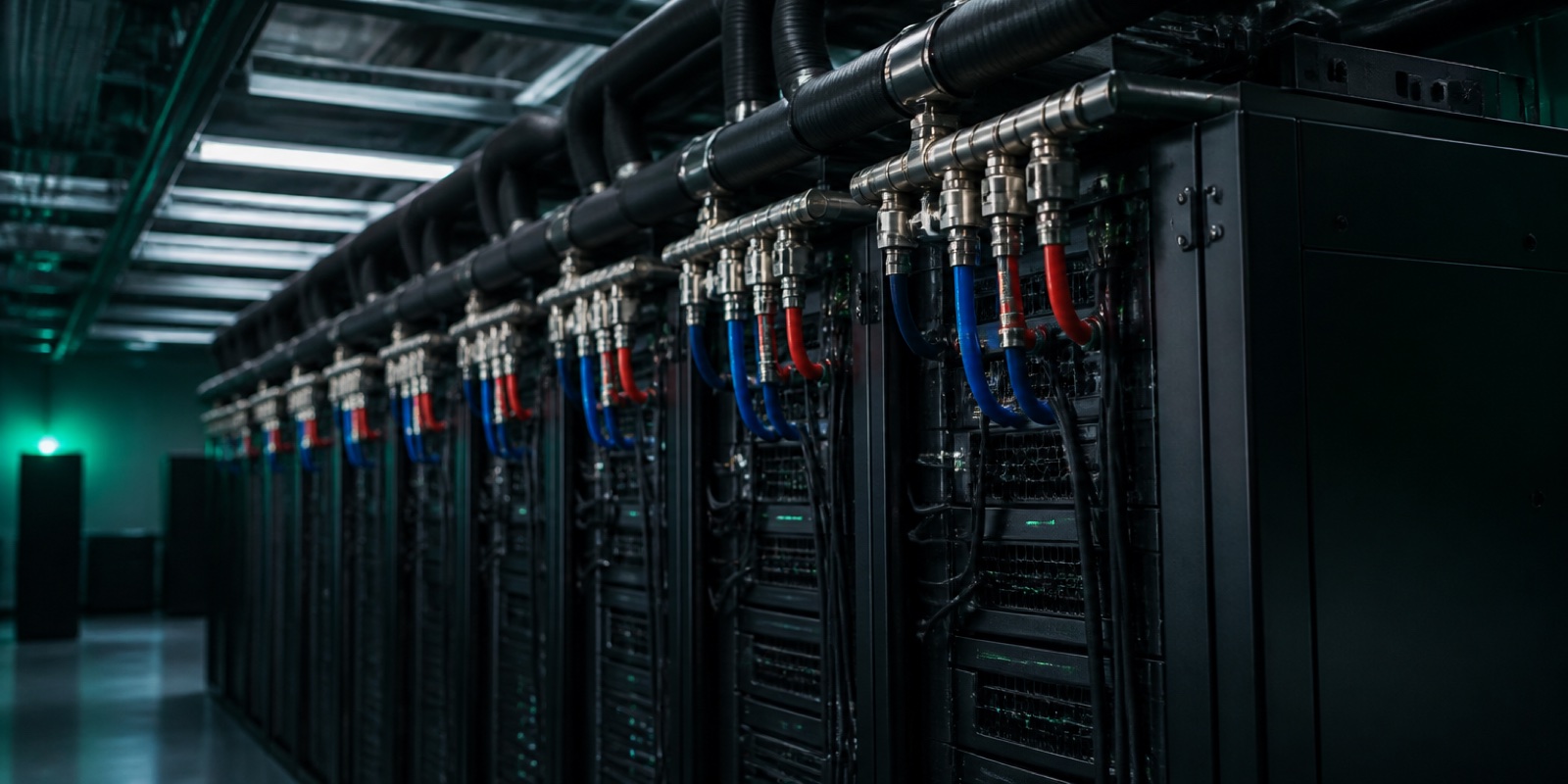
The cooling. Above roughly 100 kW, direct-to-chip liquid is the common approach, because rear-door heat exchangers run out of headroom. A liquid-cooled rack contains a charged loop. It cannot be unbolted and wheeled out. It has to be isolated, drained and made safe first, and that is a plumbing job with a disposal consequence attached.
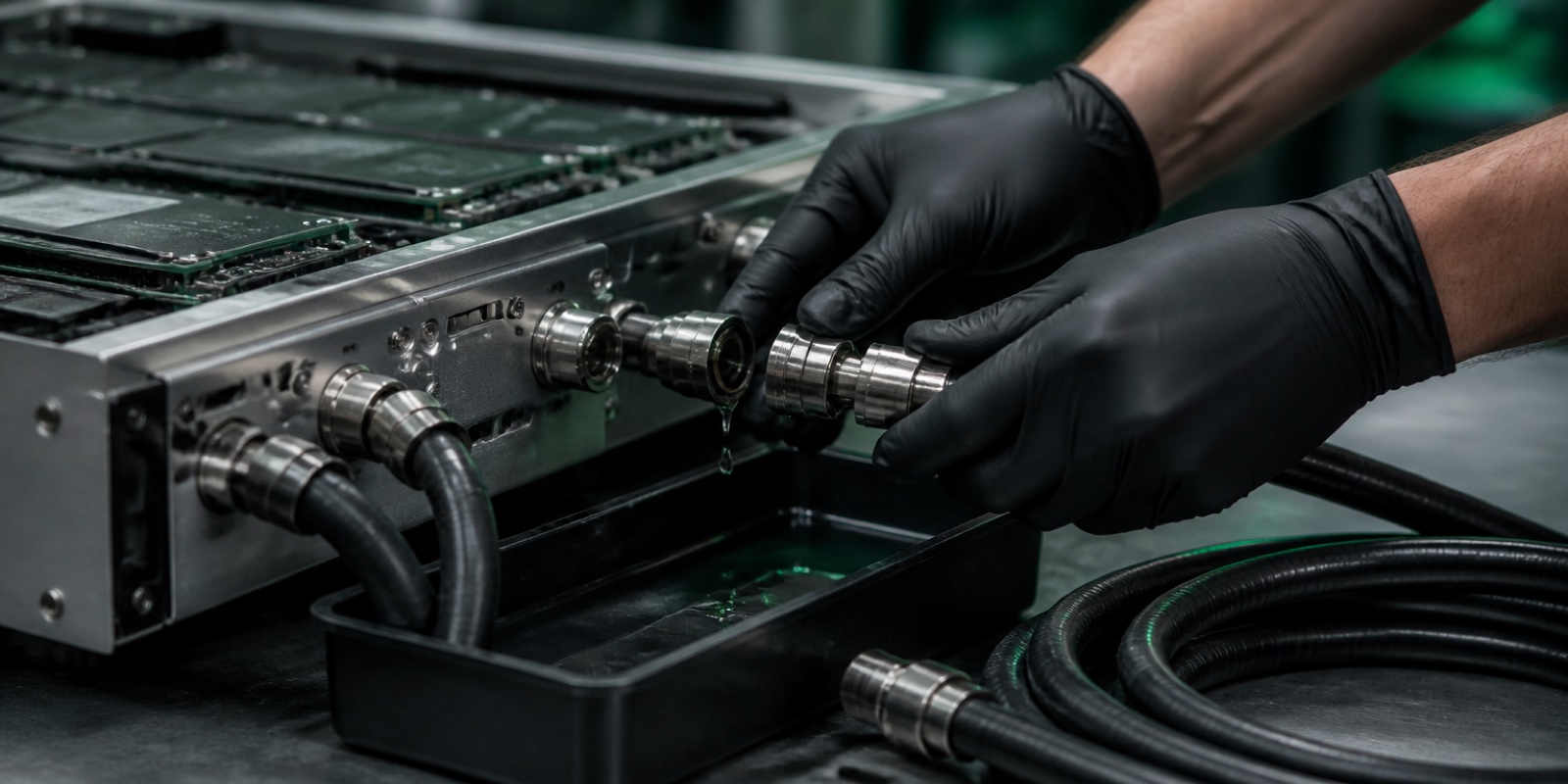
Worth being precise here, because the two get muddled: these loops are typically water and glycol, not fluorinated gas. The F-gas record-keeping duties that apply to your computer room air conditioning are a separate obligation with separate paperwork. Both may apply on the same site. They are not the same duty and should not be evidenced as though they were.
The physical envelope. This is the one that ambushes people. A 1200mm double-width frame does not travel the route a 600mm rack travelled. Doorways, aisle widths, goods lift dimensions, floor loading, the turning circle at the end of a hot aisle. The rack came in during a build, often before the room was finished. It has to come out of a live facility.
The economics invert
Every instinct in traditional IT disposal is built on a simple truth: an old server is worth very little, so the sensible thing is to sanitise it cheaply and recycle it responsibly. Value was spread thinly across a lot of low-value metal.
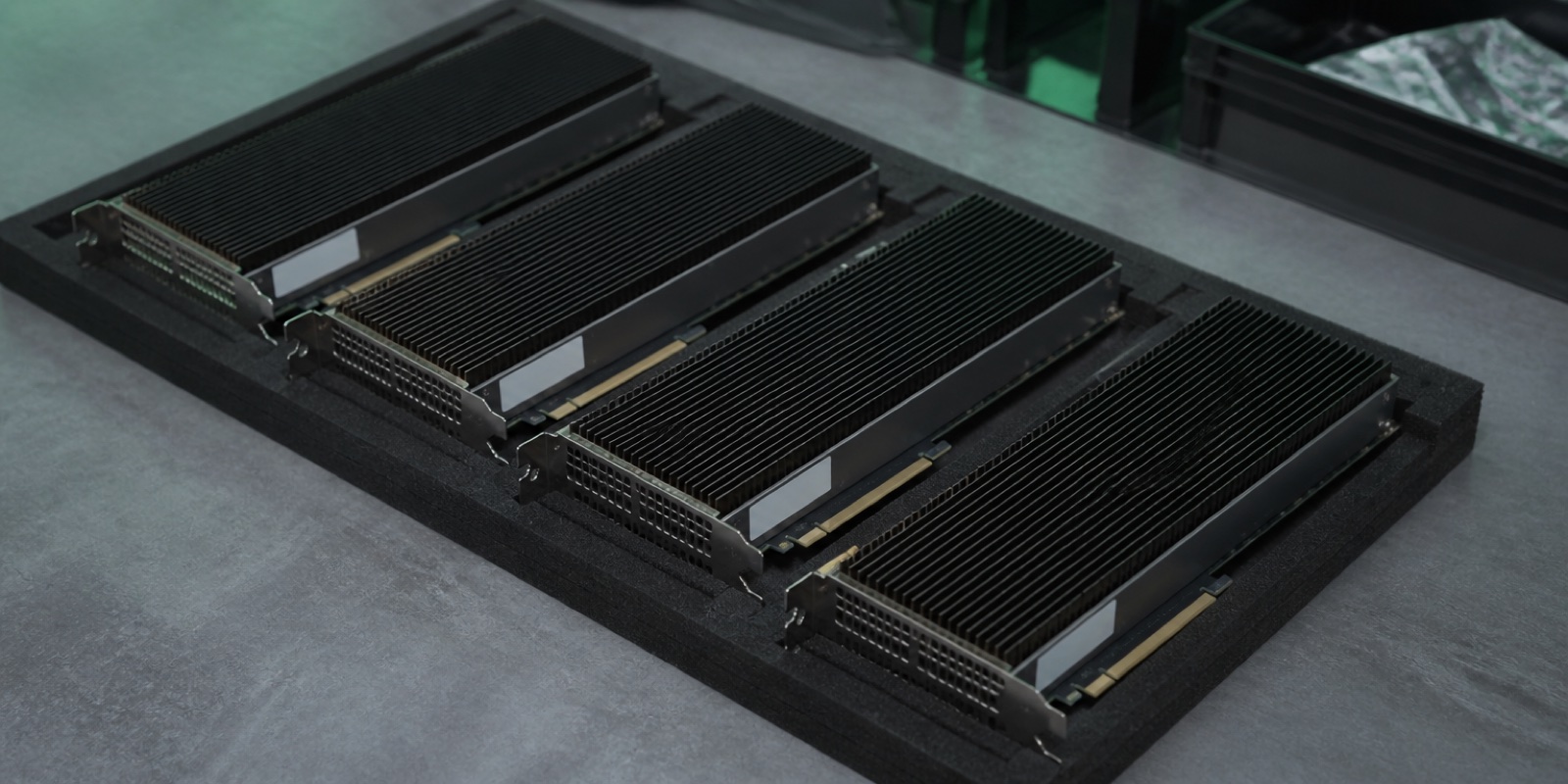
AI hardware breaks that assumption completely. Reported secondary-market ranges for a used H100 80GB have sat somewhere around $15,000 to $28,000 depending on condition and configuration, with refurbished units higher, and reported retained value at 36 months in the region of half to two thirds of the original price.
Treat those as what they are: reseller-published ranges that move quickly, and are softening as Blackwell and Rubin volume arrives. We are not quoting them as a valuation and nobody should plan a budget on them. The point is the order of magnitude. A handful of accelerators out of one rack can be worth more than every other machine in the room combined.
Which turns the old instinct upside down. When value is concentrated rather than spread, the cheap disposal route is the expensive decision, and a shredding quote priced by weight is close to the worst possible outcome. The margin of error has moved from pounds to tens of thousands.
Why it has to be planned at install
Here is the part that follows from all of the above, and it is reasoning rather than a rule anybody has published.
A liquid-cooled, double-width, 100 kW-plus rack cannot be removed by improvisation. The drain procedure, the lifting method, the route out of the building and the electrical isolation all have to be known. The cheapest moment to establish them is while the rack is being installed, when the route is already proven, the mechanical and electrical contractors are on site, and somebody is documenting the build anyway.
The most expensive moment is three years later, in a live room, with a replacement already on order and a delivery slot booked.
This is not how most organisations think about installation. It is how they will have to, because on 18 to 36 month refresh cycles the removal is not a distant one-off event. It is a recurring operation that will happen several times over the life of the facility.
What to settle before the next install
Four questions, and all of them are cheaper to answer now.
What is the drain and isolation procedure, and who owns it? Get it from the vendor while you are commissioning, not from a search engine on the day. Establish whether your ITAD partner performs it or whether it is a mechanical contractor's job before removal begins.
Does the rack physically leave the way it came in? Walk the route with the dimensions in hand. Buildings change, and the loading bay that took delivery during the fit-out may now have a wall in front of it.
Which components carry the value, and who verifies them? Accelerators need serial-level identification and functional testing to realise anything close to market value. An untested unit sold as a job lot is sold at a discount that reflects the buyer's risk, not the hardware's condition.
Where does the data live? Not in the GPUs, whose memory does not survive power-off. In the local NVMe, the boot media, the management controllers and the caching tiers, which are easy to overlook precisely because the accelerators are the interesting part. Those need sanitising and documenting to the same standard as any other storage.
The honest summary
The AI buildout has been an installation story for two years. It is about to become a removal story, on a shorter cycle than anything the industry is used to, involving hardware that is heavier, hotter, wider and worth far more than what it replaced.
None of that is a reason to panic, and it is not a reason to treat AI decommissioning as exotic. The individual skills already exist. What does not yet exist, in most organisations, is a plan that connects them before the rack needs to move.
If you are installing this hardware between now and the end of the year, the useful thing you can do costs nothing: write down how it comes out, while the people who put it in are still standing next to it.
Nanosoft Team
Writer at Nanosoft - covering ITAD, data security, and sustainable technology lifecycle management.
Found this useful? Share it.